Fitness

The Power of Bodyweight Workouts: How to Build Strength and Fitness Without Weights

Bodyweight workouts are a highly effective way to build strength, endurance, and fitness without the need for expensive gym equipment or a dedicated fitness center. In fact, some of the most challenging and rewarding exercises can be done using just your own body weight, making it an accessible and versatile way to stay in shape and improve your overall health.

One of the key benefits of bodyweight workouts is their versatility. With the right knowledge and guidance, you can create a comprehensive and challenging workout routine that targets every major muscle group in your body, from your chest and arms to your legs and core. And because you don’t need any weights or machines, you can do these exercises just about anywhere, from your living room to your local park.

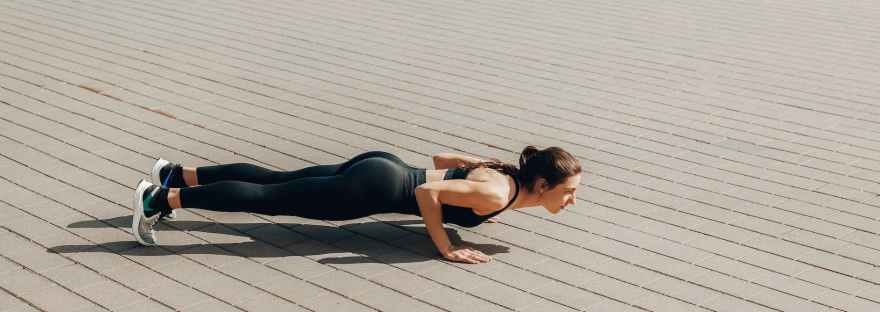
There are many different types of bodyweight exercises, but some of the most popular and effective include push-ups, squats, lunges, planks, and burpees. These exercises can be modified and adapted to suit your fitness level and goals, so whether you’re a beginner or an experienced athlete, you can always find a way to challenge yourself and push your limits.

Another benefit of bodyweight workouts is that they are highly efficient. Because they involve multiple muscle groups and require a high degree of coordination and balance, they can be more effective at building strength and fitness than traditional weightlifting exercises. And because they don’t require any equipment, you can do them quickly and easily, making them a great choice for busy people who want to stay in shape but don’t have a lot of time to spare.

In addition to building strength and fitness, bodyweight workouts can also help you improve your overall health and well-being. By engaging in regular exercise, you can boost your metabolism, increase your energy levels, and improve your mental clarity and focus. And because bodyweight exercises are low-impact and can be modified to suit your individual needs and abilities, they are a great choice for people of all ages and fitness levels.

So how can you get started with bodyweight workouts? The first step is to consult with a fitness professional or personal trainer to get guidance and advice on how to create an effective and safe workout routine. They can help you identify your fitness goals, assess your current level of fitness, and design a customized workout plan that will help you achieve your goals.

Once you have a plan in place, it’s important to stick with it and make it a regular part of your daily or weekly routine. This means scheduling your workouts in advance, setting aside dedicated time to exercise, and staying motivated and committed to your goals. It can also be helpful to track your progress over time, so you can see how far you’ve come and stay motivated to keep going.

Overall, bodyweight workouts are a highly effective and accessible way to build strength, endurance, and fitness without the need for expensive gym equipment or a dedicated fitness center. By incorporating these exercises into your regular routine, you can improve your overall health and well-being, boost your energy levels, and achieve your fitness goals. So why not give it a try and see for yourself the power of bodyweight workouts?

Fitness

Discover the Best Yoga Poses for a Stronger, Healthier Body

Yoga is an ancient practice that has been used for thousands of years to promote physical, mental, and spiritual health. One of the primary ways that yoga achieves this is through the use of various yoga poses, also known as asanas. These poses are designed to stretch and strengthen the body, increase flexibility, and calm the mind. In this article, we will explore some of the best yoga poses for a stronger, healthier body.

  1. Downward-Facing Dog

Downward-Facing Dog is one of the most well-known yoga poses and is great for stretching the hamstrings, calves, and spine. To do this pose, start in a tabletop position with your hands and knees on the ground. Then, lift your hips up and back, straightening your arms and legs to form an inverted V shape. Keep your head and neck relaxed, and breathe deeply as you hold the pose for several breaths.

  • Warrior II

Warrior II is a powerful pose that strengthens the legs, hips, and core while also stretching the shoulders and chest. To do this pose, start in a standing position with your feet about hip-width apart. Then, step your left foot back and turn it out to a 90-degree angle. Bend your right knee and stretch your arms out to the sides, parallel to the floor. Hold the pose for several breaths, then repeat on the other side.

  • Tree Pose

Tree Pose is a balancing pose that strengthens the legs and core while also improving focus and concentration. To do this pose, start in a standing position with your feet together. Shift your weight onto your left foot and place the sole of your right foot on your left thigh, pressing it firmly into the leg. Bring your hands together in front of your heart and hold the pose for several breaths. Repeat on the other side.

  • Bridge Pose

Bridge Pose is a great way to strengthen the back, glutes, and legs while also opening up the chest and shoulders. To do this pose, start by lying on your back with your knees bent and feet flat on the ground. Press your feet and arms into the ground, and lift your hips up towards the ceiling. Hold the pose for several breaths, then release back down to the ground.

  • Child’s Pose

Child’s Pose is a gentle resting pose that can be used at any time during your yoga practice to release tension and calm the mind. To do this pose, start in a tabletop position with your hands and knees on the ground. Sit back on your heels and stretch your arms out in front of you, resting your forehead on the ground. Breathe deeply and hold the pose for as long as you like.

These are just a few of the many yoga poses that can help you build a stronger, healthier body. When practicing yoga, it’s important to listen to your body and work within your limits. With regular practice, you’ll find that your flexibility, strength, and overall wellbeing will improve.

Fitness

The Benefits of Strength Training: Why It’s Essential for a Healthy Lifestyle

Strength training, also known as resistance training, is a type of physical exercise that involves the use of weights, resistance bands, or bodyweight to build and strengthen muscles. While it is often associated with bodybuilding and weightlifting, strength training is actually a crucial component of any fitness routine, regardless of age, gender, or fitness level. In this article, we’ll explore the many benefits of strength training and why it should be a key part of your fitness regimen.

  1. Builds Muscle and Increases Metabolism

Strength training is the most effective way to build and maintain muscle mass. When you lift weights or use resistance bands, your muscles are forced to work harder than they would during cardio exercises, which causes small tears in the muscle fibers. Over time, these tears heal and the muscle fibers become stronger and more resilient. This process of breaking down and rebuilding muscle is what leads to muscle growth.

In addition to building muscle, strength training can also increase your metabolism. Muscle tissue burns more calories at rest than fat tissue, so the more muscle you have, the more calories your body will burn throughout the day. This means that even when you’re not working out, your body will be working hard to burn calories and maintain your weight.

  • Improves Bone Density and Reduces the Risk of Osteoporosis

As we age, our bones become weaker and more brittle, which can lead to osteoporosis, a condition in which the bones become fragile and more likely to break. Strength training can help to prevent osteoporosis by increasing bone density and strength. When you lift weights or use resistance bands, you place stress on your bones, which stimulates them to grow stronger and denser over time.

  • Enhances Balance and Stability

Strength training can also improve your balance and stability, which can help to prevent falls and injuries, especially as you age. When you lift weights or use resistance bands, you engage your core muscles, which are responsible for keeping your body stable and balanced. By strengthening these muscles, you’ll be able to maintain your balance more easily and reduce your risk of falls.

  • Boosts Energy and Reduces Stress

Strength training can also have a positive impact on your mental health. When you lift weights or use resistance bands, your body releases endorphins, which are natural feel-good chemicals that can boost your mood and reduce stress. In addition, strength training can help to improve your sleep quality, which can also have a positive impact on your energy levels and overall sense of well-being.

  • Increases Endurance and Athletic Performance

Finally, strength training can also improve your endurance and athletic performance. When you build muscle and increase your metabolism, you’ll have more energy and stamina to perform activities that require physical exertion, such as running, cycling, or playing sports. In addition, strength training can help to improve your form and technique, which can lead to better athletic performance and a reduced risk of injuries.

In conclusion, strength training is an essential component of any fitness routine, regardless of age, gender, or fitness level. By incorporating strength training into your workouts, you can build muscle, increase your metabolism, improve your bone density, enhance your balance and stability, boost your energy and reduce stress, and increase your endurance and athletic performance. So what are you waiting for? Grab some weights or resistance bands and start strength training today!

Fitness

The Benefits and Importance of Cardio Exercises

Cardio exercises, also known as cardiovascular or aerobic exercises, are physical activities that increase your heart rate and breathing rate. These types of exercises help strengthen your heart and lungs, improve circulation, and boost overall health and fitness. In this article, we will explore the benefits and importance of cardio exercises and provide some examples of exercises you can try.

Benefits of Cardio Exercises

  1. Improves Heart Health

Cardio exercises can help improve heart health by strengthening the heart muscle and reducing the risk of heart disease. Regular cardio exercise can also help lower blood pressure and cholesterol levels.

  • Increases Stamina and Endurance

Cardio exercises can help increase your stamina and endurance, allowing you to perform physical activities for longer periods of time. This is because cardio exercises help improve your body’s ability to use oxygen, which is essential for energy production.

  • Promotes Weight Loss

Cardio exercises can help you burn calories and lose weight. When combined with a healthy diet, regular cardio exercise can help you achieve and maintain a healthy weight.

  • Reduces Stress and Anxiety

Cardio exercises can help reduce stress and anxiety by releasing endorphins, which are natural mood-boosting chemicals in the brain. Regular cardio exercise can also help improve sleep quality, which can further reduce stress and anxiety.

  • Boosts Immune System

Cardio exercises can help boost the immune system by increasing the production of antibodies and white blood cells. This can help your body fight off infections and illnesses.

Examples of Cardio Exercises

  1. Running or Jogging

Running or jogging is a popular cardio exercise that can be done indoors or outdoors. It is a high-impact exercise that helps improve cardiovascular health and burns a significant amount of calories.

  • Cycling

Cycling is a low-impact cardio exercise that can be done on a stationary bike or outdoors. It is an excellent way to improve cardiovascular health and leg strength.

  • Swimming

Swimming is a low-impact cardio exercise that is easy on the joints. It is an excellent way to improve cardiovascular health and overall fitness.

  • Walking

Walking is a low-impact cardio exercise that can be done almost anywhere. It is an excellent way to improve cardiovascular health and is suitable for people of all fitness levels.

  • Jumping Rope

Jumping rope is a high-impact cardio exercise that can be done indoors or outdoors. It is an excellent way to improve cardiovascular health and burn calories.

Conclusion

Cardio exercises are an essential part of a healthy lifestyle. They offer numerous benefits, including improved heart health, increased stamina and endurance, weight loss, reduced stress and anxiety, and a boosted immune system. There are many different types of cardio exercises to choose from, including running, cycling, swimming, walking, and jumping rope. Incorporating regular cardio exercise into your routine can help you achieve and maintain optimal health and fitness.

Fitness

The Best Workout Routines for a Stronger, Healthier You

Staying in shape and maintaining a healthy lifestyle is essential to our overall well-being. A consistent workout routine can help us achieve this goal. However, with so many different workout routines to choose from, it can be overwhelming to decide which one is right for you. In this article, we will explore the best workout routines to help you build a stronger, healthier body.

Strength Training

Strength training is one of the most effective workout routines for building muscle and improving overall fitness. This type of workout involves lifting weights, using resistance bands, or doing bodyweight exercises to challenge your muscles. Strength training not only builds muscle but also helps to increase bone density, improve balance and posture, and reduce the risk of injury.

When starting a strength training routine, it’s important to start with lighter weights and gradually increase the weight over time. This will help to prevent injury and allow your muscles to adapt to the new stress.

Cardiovascular Exercise

Cardiovascular exercise is essential for improving heart health and increasing endurance. This type of workout includes activities like running, cycling, swimming, and dancing. Cardiovascular exercise helps to burn calories and reduce body fat, which can improve overall health and reduce the risk of chronic diseases such as diabetes and heart disease.

To get the most benefit from cardiovascular exercise, aim to do at least 30 minutes of moderate-intensity exercise most days of the week. You can also mix it up by doing different types of cardio, such as high-intensity interval training (HIIT), to keep your body challenged and prevent boredom.

Yoga

Yoga is an excellent workout routine for improving flexibility, strength, and relaxation. This type of exercise involves holding different poses and breathing techniques to improve balance, posture, and mobility. Yoga has also been shown to reduce stress, improve sleep quality, and decrease anxiety and depression.

There are many different styles of yoga, from gentle and restorative to more intense and challenging. It’s important to choose a style that suits your fitness level and goals. If you’re new to yoga, consider taking a beginner’s class to learn the basics and avoid injury.

Pilates

Pilates is a low-impact workout routine that focuses on building core strength and improving posture. This type of exercise involves using resistance bands and doing bodyweight exercises to challenge your muscles. Pilates has been shown to improve balance, reduce lower back pain, and increase flexibility.

When starting a Pilates routine, it’s important to start with basic exercises and gradually increase the difficulty as your strength improves. Pilates can be done at home or in a class setting with a certified instructor.

High-Intensity Interval Training (HIIT)

High-intensity interval training (HIIT) is a type of workout routine that involves short bursts of intense exercise followed by periods of rest or low-intensity exercise. This type of workout can be done using bodyweight exercises, weights, or cardio equipment. HIIT has been shown to improve cardiovascular health, increase muscle mass, and burn fat.

When doing HIIT, it’s important to start with a warm-up and gradually increase the intensity of the exercise. HIIT should only be done a few times a week to avoid injury and allow your body to recover.

In conclusion, there are many different workout routines to choose from, and the best one for you will depend on your fitness level, goals, and personal preferences. Strength training, cardiovascular exercise, yoga, Pilates, and HIIT are all excellent options for building a stronger, healthier body. Remember to start slowly, listen to your body, and be consistent with your workout routine to see the best results.