Mental Health

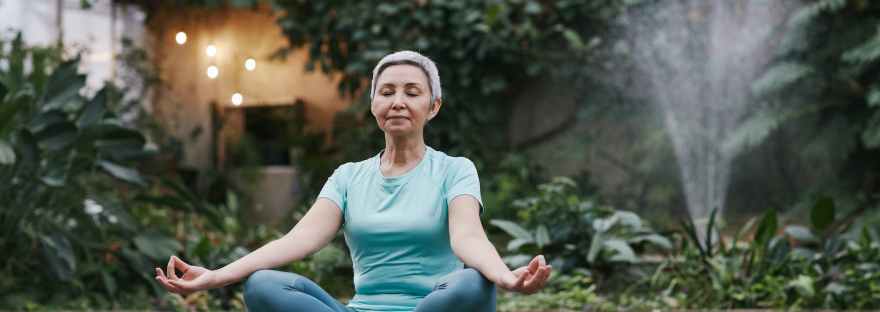
Mindfulness Exercises: Techniques for Cultivating Present-Moment Awareness

In today’s fast-paced world, it’s easy to become overwhelmed with stress and anxiety. Many people struggle to maintain their focus and stay present in the moment. Mindfulness exercises offer a way to cultivate greater awareness of one’s thoughts, emotions, and physical sensations, leading to improved well-being and quality of life. In this article, we’ll explore several mindfulness exercises that you can try to help you develop a more mindful approach to life.

  1. Mindful Breathing: This exercise involves focusing your attention on your breath, noticing the sensation of air moving in and out of your body. You can practice this exercise anywhere, at any time. Start by taking a few deep breaths, then allow your breath to settle into its natural rhythm. As you breathe in, say to yourself “breathing in,” and as you breathe out, say “breathing out.” If your mind wanders, gently bring your attention back to your breath.
  2. Body Scan: This exercise involves paying attention to the sensations in your body, from your toes to the top of your head. Lie down or sit in a comfortable position and start by taking a few deep breaths. Then, slowly scan your body, noticing any areas of tension or discomfort. Without judgment, simply observe these sensations and allow them to be present. You can also try tensing and relaxing different muscle groups to help release tension.
  3. Mindful Walking: This exercise involves bringing awareness to the physical sensations of walking, such as the feeling of your feet making contact with the ground. Find a quiet place to walk, and as you walk, notice the movement of your body and the sensations in your feet and legs. If your mind wanders, gently bring your attention back to your walking.
  4. Mindful Eating: This exercise involves paying attention to the sensory experience of eating, such as the taste, smell, and texture of food. Choose a food that you enjoy and take a small bite. Notice the sensations in your mouth as you chew and swallow. Try to savor each bite and be present with the experience of eating.
  5. Loving-Kindness Meditation: This exercise involves cultivating feelings of love, kindness, and compassion towards oneself and others. Find a quiet place to sit and take a few deep breaths. Then, silently repeat phrases such as “may I be happy,” “may I be healthy,” “may I be at peace.” After a few minutes, extend these phrases to include others, such as “may my loved ones be happy,” “may my colleagues be healthy,” and so on.

These mindfulness exercises can help you develop a more mindful approach to life. By cultivating present-moment awareness, you can better manage stress and anxiety, improve your focus and attention, and enhance your overall well-being. Here are a few additional tips to keep in mind as you begin your mindfulness practice:

  1. Start small: You don’t need to spend hours meditating or practicing mindfulness exercises to see benefits. Start with just a few minutes a day and gradually increase your practice over time.
  2. Be patient: It’s natural for your mind to wander during mindfulness practice. When you notice your mind has wandered, simply bring your attention back to your breath or the present moment, without judgment.
  3. Practice regularly: Consistency is key when it comes to mindfulness practice. Try to practice every day, even if it’s just for a few minutes.
  4. Find what works for you: There’s no one-size-fits-all approach to mindfulness. Experiment with different exercises and techniques to find what resonates with you.

In conclusion, mindfulness exercises offer a powerful tool for cultivating greater awareness, presence, and well-being in our lives. By practicing mindfulness regularly, we can learn to better understand our thoughts and emotions, and develop a more compassionate and accepting relationship with ourselves and others. Whether you’re new to mindfulness or have been practicing for years, incorporating these exercises into your daily routine can help you live a more mindful and fulfilling life. So take a deep breath, find a comfortable place to sit or stand, and begin your mindfulness journey today.


Mental Health

Natural Anxiety Relief: Techniques for Managing Anxiety

Anxiety is a common emotional state that affects millions of people worldwide. It is characterized by feelings of fear, worry, and unease that can be mild or severe, occasional or chronic. Anxiety can have a significant impact on an individual’s quality of life, leading to difficulties with work, relationships, and day-to-day activities. However, there are many techniques and natural remedies that can help manage anxiety and improve overall wellbeing.

Here are some effective anxiety relief techniques:

  1. Exercise: Regular physical activity can help reduce anxiety and improve mood. Exercise releases endorphins, the body’s natural “feel-good” chemicals that can help reduce stress and anxiety. It doesn’t have to be intense or time-consuming. A simple walk, jog, or bike ride for at least 30 minutes a day can make a significant difference in reducing anxiety levels.
  2. Breathing Techniques: Breathing techniques can be a powerful tool for managing anxiety. When we are anxious, we tend to breathe shallowly, which can make us feel more stressed. By taking slow, deep breaths, we can activate the body’s relaxation response and calm the mind. Try inhaling for four seconds, holding for seven seconds, and exhaling for eight seconds. Repeat this cycle for several minutes, focusing on the breath and letting go of any racing thoughts.
  3. Meditation: Meditation is another effective technique for managing anxiety. It involves focusing the mind on the present moment and observing thoughts and emotions without judgment. Research has shown that regular meditation can reduce anxiety, improve mood, and increase feelings of wellbeing. Even just a few minutes of meditation a day can make a difference in reducing anxiety levels.
  4. Yoga: Yoga is a form of exercise that combines physical postures with breathing techniques and meditation. It has been shown to reduce stress and anxiety and improve overall wellbeing. Yoga can be done in a class or at home with a video or app. Some popular yoga styles for anxiety relief include restorative yoga, gentle yoga, and yin yoga.
  5. Aromatherapy: Aromatherapy involves using essential oils to promote relaxation and reduce anxiety. Lavender, chamomile, and bergamot are some essential oils that have been shown to have calming effects on the body and mind. Essential oils can be used in a diffuser, added to a bath, or applied topically (diluted with a carrier oil).
  6. Mindfulness: Mindfulness is the practice of paying attention to the present moment with curiosity and without judgment. It can help reduce anxiety by bringing awareness to the thoughts and emotions that contribute to anxious feelings. Mindfulness can be practiced through meditation, yoga, or simply by taking a few minutes to focus on the breath and observe the present moment.
  7. Herbal Remedies: There are several herbal remedies that have been shown to reduce anxiety. Some popular herbs for anxiety relief include valerian root, passionflower, and kava. It is important to consult with a healthcare provider before trying any herbal remedies, as they may interact with other medications or have side effects.

In conclusion, anxiety can be a debilitating condition that affects many people worldwide. Fortunately, there are many natural techniques and remedies that can help manage anxiety and improve overall wellbeing. Exercise, breathing techniques, meditation, yoga, aromatherapy, mindfulness, and herbal remedies are all effective tools for reducing anxiety and promoting relaxation. It is important to find what works best for each individual and to practice these techniques regularly for maximum benefit.

Mental Health

Effective Meditation Techniques for Beginners

Meditation is a powerful technique that has been practiced for thousands of years to help individuals relax, reduce stress, and improve their overall well-being. It involves training your mind to focus on a specific object, thought, or activity to achieve a state of clarity and inner peace. However, for beginners, meditation can seem daunting and overwhelming, and it’s challenging to know where to start. In this article, we will discuss some effective meditation techniques for beginners that can help you get started on your meditation journey.

  1. Mindfulness Meditation

Mindfulness meditation is one of the most popular forms of meditation, and it’s an excellent starting point for beginners. It involves paying attention to your breath, body sensations, and thoughts without judgment or distraction. The goal is to observe your thoughts without getting caught up in them, allowing you to gain more clarity and focus.

To practice mindfulness meditation, sit in a comfortable position, close your eyes, and focus on your breath. Observe each inhale and exhale, and if your mind wanders, gently bring it back to your breath.

  • Body Scan Meditation

Body scan meditation involves bringing your attention to each part of your body, starting from your toes and working your way up to your head. It’s an excellent technique for beginners because it helps you become more aware of your body and your thoughts.

To practice body scan meditation, lie down on your back and close your eyes. Bring your attention to your toes, and observe any sensations you feel. Slowly move your attention up your body, noticing any tension or discomfort. As you become aware of these sensations, try to release the tension and relax the muscles.

  • Loving-Kindness Meditation

Loving-kindness meditation is a technique that involves cultivating feelings of love, kindness, and compassion towards yourself and others. It’s a powerful way to increase empathy and reduce negative emotions like anger and resentment.

To practice loving-kindness meditation, sit in a comfortable position, close your eyes, and bring to mind someone you love. Repeat the following phrases silently to yourself: “May you be happy, may you be healthy, may you be safe, and may you live with ease.” Visualize this person feeling happy, healthy, safe, and at ease. Repeat the phrases for yourself and other people in your life.

  • Chakra Meditation

Chakra meditation is a form of meditation that focuses on the seven energy centers in your body. Each chakra is associated with a different color, sound, and emotion. The goal of chakra meditation is to balance these energy centers to promote overall well-being.

To practice chakra meditation, sit in a comfortable position, close your eyes, and focus on each chakra. Visualize the color associated with each chakra and repeat the corresponding sound. Imagine energy flowing through each chakra, starting from the root chakra and working your way up to the crown chakra.

  • Walking Meditation

Walking meditation is a technique that involves being mindful while walking. It’s an excellent technique for beginners because it’s easy to incorporate into your daily routine. It’s a great way to clear your mind and get some exercise at the same time.

To practice walking meditation, find a quiet place to walk, and walk at a slow pace. Focus on your breath and the sensation of your feet touching the ground. Observe your surroundings and be present in the moment.

In conclusion, meditation is a powerful technique that can help you reduce stress, increase focus, and improve your overall well-being. As a beginner, it’s essential to find a technique that works best for you and to practice regularly. Start with one of the techniques discussed above and experiment until you find the one that feels most comfortable and effective for you. Remember to be patient with yourself and not to judge yourself if your mind wanders. With regular practice, meditation can become a natural part of your daily routine, and you’ll start to experience the benefits in all aspects of your life.

It’s worth noting that meditation is not a substitute for professional medical treatment, and you should always consult with your healthcare provider before starting a new meditation practice. If you experience any discomfort or pain during your meditation practice, you should stop immediately.

In addition to the techniques mentioned above, there are many other types of meditation you can explore, including mantra meditation, transcendental meditation, and Zen meditation. With so many options available, there’s sure to be a technique that resonates with you.

In conclusion, meditation is a valuable tool for improving your physical, emotional, and mental health. By incorporating one of these meditation techniques into your daily routine, you can start to experience the benefits of a regular meditation practice. Remember to be patient, stay consistent, and enjoy the process of discovering what works best for you.

Mental Health

Understanding the Various Therapy Options Available Today

Therapy options have become increasingly popular in recent years, as people have come to realize the benefits of seeking professional help to overcome a variety of mental health issues. There are many different types of therapy available today, each with its own unique approach and benefits. In this article, we will take a closer look at some of the most common therapy options available, and how they can help you improve your mental health and well-being.

Cognitive Behavioral Therapy (CBT)

Cognitive Behavioral Therapy (CBT) is one of the most commonly used forms of therapy. It is a goal-oriented approach that focuses on changing negative thought patterns and behaviors that contribute to mental health issues. CBT has been shown to be effective in treating a wide range of conditions, including depression, anxiety, and post-traumatic stress disorder (PTSD).

CBT typically involves working with a therapist to identify negative thoughts and behaviors, and then developing strategies to replace them with positive, constructive ones. This may involve learning new coping skills, practicing relaxation techniques, or challenging negative beliefs about oneself or the world.

Psychoanalytic Therapy

Psychoanalytic therapy is a form of therapy that aims to help individuals gain insight into their unconscious thoughts and feelings. This type of therapy is often associated with Sigmund Freud, who developed the concept of the unconscious mind and the role it plays in shaping our thoughts and behaviors.

Psychoanalytic therapy typically involves long-term, in-depth sessions with a therapist, during which the individual is encouraged to explore their thoughts and feelings in a safe and supportive environment. The goal of this type of therapy is to help individuals gain a deeper understanding of themselves and their motivations, and to identify and work through unresolved emotional conflicts.

Group Therapy

Group therapy is a type of therapy that involves working with a therapist and a small group of individuals who are experiencing similar mental health issues. This type of therapy is often used to treat conditions such as addiction, depression, and anxiety.

Group therapy provides individuals with a supportive and non-judgmental environment in which they can share their experiences and learn from others. It can also help individuals develop new coping skills and improve their social skills.

Family Therapy

Family therapy is a form of therapy that focuses on improving communication and relationships within a family. This type of therapy is often used to treat conditions such as substance abuse, eating disorders, and behavioral issues in children.

Family therapy typically involves working with all members of the family, either individually or in group sessions. The goal of this type of therapy is to help family members learn to communicate more effectively, resolve conflicts, and build stronger, more positive relationships.

Art Therapy

Art therapy is a form of therapy that uses creative expression as a means of promoting healing and self-discovery. This type of therapy is often used to treat conditions such as anxiety, depression, and trauma.

Art therapy can take many different forms, including painting, drawing, sculpture, and collage. It provides individuals with a nonverbal means of expressing themselves and exploring their emotions, which can be especially beneficial for individuals who have difficulty expressing themselves verbally.

In conclusion, there are many different therapy options available today, each with its own unique benefits and approach. If you are struggling with mental health issues, it is important to find a therapy option that works for you and to seek professional help as soon as possible. With the right therapy, you can gain the tools and support you need to overcome your challenges and improve your mental health and well-being.

Mental Health

Tips for Effective Stress Management

Stress is a natural part of life, and everyone experiences it at some point. It’s a physiological response to external or internal stimuli that triggers the body’s fight or flight response. However, when stress becomes chronic, it can take a toll on our physical and mental health. Therefore, effective stress management is essential for maintaining overall well-being. In this article, we will discuss some tips for managing stress effectively.

  1. Identify Your Triggers The first step in managing stress effectively is to identify your triggers. What causes you to feel stressed? It could be work-related, personal, or financial issues. Once you identify your triggers, you can take steps to minimize or avoid them altogether. For instance, if you find that certain people or situations at work are causing you stress, you can try to avoid or limit your interactions with them.
  2. Develop Healthy Coping Mechanisms Everyone has their own way of coping with stress, but not all coping mechanisms are healthy. Some people turn to alcohol, drugs, or food to deal with stress, which can lead to addiction or other health problems. Instead, try to develop healthy coping mechanisms such as exercise, meditation, or spending time with loved ones. These activities can help to reduce stress levels and promote overall well-being.
  3. Practice Mindfulness Mindfulness is the practice of being present in the moment and fully engaged in what you’re doing. It’s a powerful tool for managing stress because it helps you to focus on the present and let go of worries about the past or future. Mindfulness can take many forms, such as meditation, yoga, or simply taking a few deep breaths. By incorporating mindfulness into your daily routine, you can reduce stress levels and improve overall well-being.
  4. Get Enough Sleep Sleep is essential for both physical and mental health, and it’s also an important factor in managing stress. When you’re sleep-deprived, you’re more likely to feel irritable, anxious, and overwhelmed. Therefore, it’s important to prioritize sleep and make sure you’re getting enough restful sleep each night. If you have trouble sleeping, try to establish a regular bedtime routine and avoid electronic devices before bedtime.
  5. Stay Active Exercise is another effective way to manage stress. Physical activity releases endorphins, which are natural mood-boosters that can help to reduce stress levels. Exercise can also improve overall health and well-being, which can help you to feel more resilient in the face of stress. Try to incorporate at least 30 minutes of moderate physical activity into your daily routine, such as walking, jogging, or cycling.
  6. Seek Support Sometimes, managing stress on your own can be difficult, and it’s important to reach out for support when you need it. This could mean talking to a trusted friend or family member, seeking professional help from a therapist or counselor, or joining a support group. Whatever your needs may be, there are resources available to help you manage stress effectively.

In conclusion, stress is a normal part of life, but it’s important to manage it effectively to maintain overall well-being. By identifying your triggers, developing healthy coping mechanisms, practicing mindfulness, getting enough sleep, staying active, and seeking support when needed, you can reduce stress levels and feel more resilient in the face of challenges. Remember, effective stress management is a journey, not a destination, so be patient with yourself and keep working towards your goals.